7:30 AM - 6:00 PM MON - FRI After Hours Contact Lee Osborne
Blog
Next-Gen Machinery: Revolutionizing Efficiency in the Coal Mining Industry
Modern mining sites now rely on advanced machines that work with accuracy, faster output, and system control. Sensors, smart conveyor systems, and remote monitoring tools support safer and more organized daily operations. Digital tracking tools help operators review equipment performance in real timee. Sensors placed on mining machines collect information about temperature, vibration, and pressure. Teams study this data to identify wear and schedule maintenance. Recent patents allow for sensors to be embedded in ceramic impact liners that sending units transmit to direct monitoring.
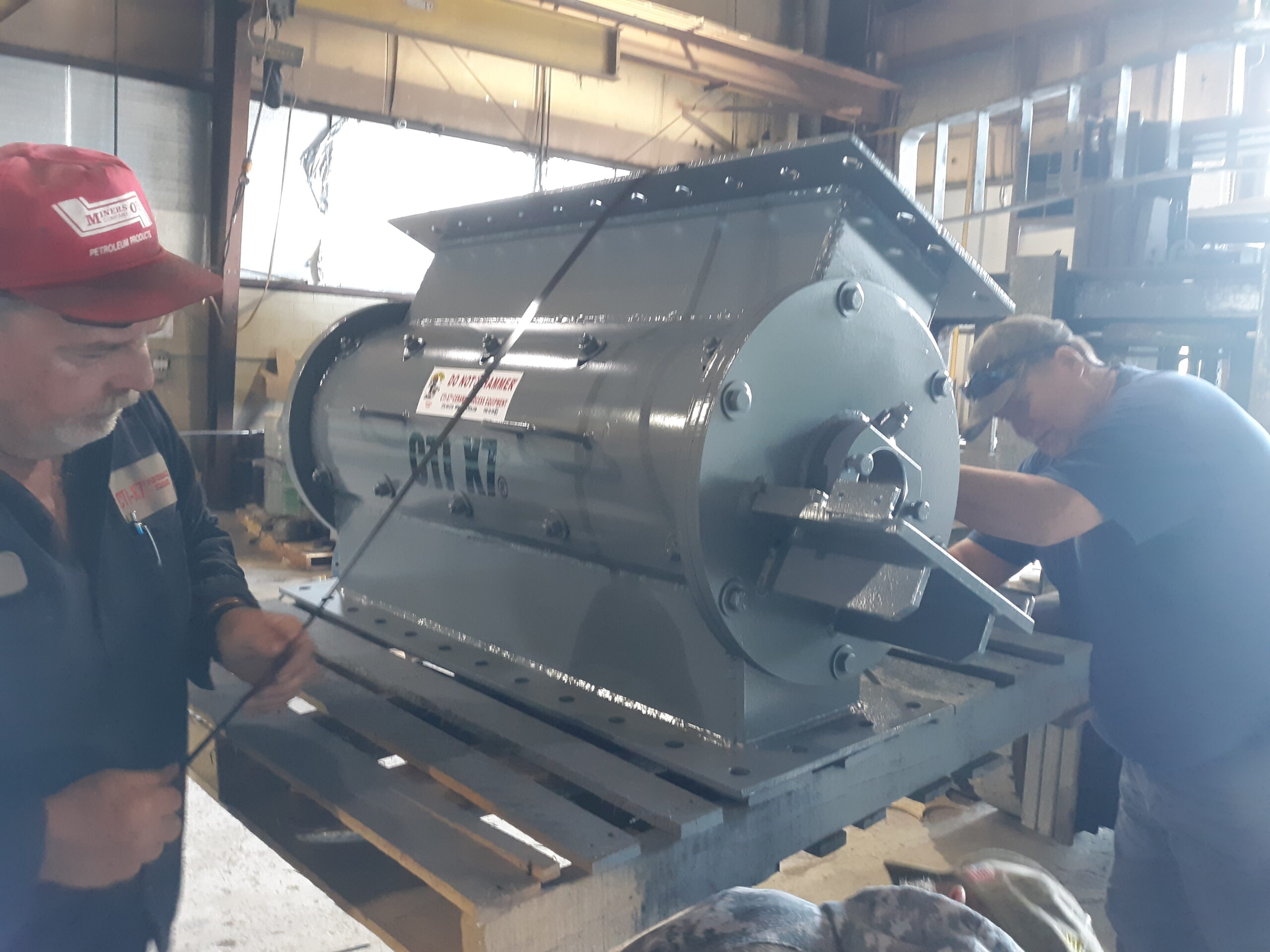
Equipmeant contractors now focus on machine durability mining conditions remain demanding. Strong materials and heat-resistant parts allow heavy machines to continue working in rough environments. Ceramic lined equipment has become more common because it handles abrasion, impact, corrosion and pressrue more effectively than standard metal parts. This shift to the CTI-X7® Performance Standard liners has proven cost effective to mining industry utilizing industrial ceramics, to support modern mining operations with specialized components resulting less blow outs ,less clean up, less emergency breakdowns and cleaner safer operations.
The Growing Connection Between Mining and Advanced Ceramics
Mining machinery faces constant exposure to friction, heat, dust, and impact. These conditions can reduce the lifespan of equipment if operators do not use durable materials. Advanced ceramics now play a larger role in mining because they resist corrosion and surface damage. Many processing systems use ceramic coatings and ceramic wear parts to improve machine performance during long work cycles. A trusted ceramic manufacturing company in Kentucky often develops industrial parts for equipment used in processing plants and transportation systems.
Ceramic linings help transfer materials through pipes, hoppers, and conveyors without rapid wear. As mining companies continue modernizing their systems, ceramic-based solutions have become part of long-term equipment planning. Large-scale mining operations also depend on efficient material handling. Conveyors equipped with ceramic components can move coal and raw materials with reduced surface damage. The connection between mining machinery and ceramic engineering continues to grow as industry searches for more reliable production systems.
Why Automation Matters in the Coal Mining Industry in Kentucky
Automation has changed how operators manage difficult mining environments. Remote-controlled equipment now performs tasks that once required direct human involvement in hazardous zones. Smart machines can drill, load, and transport materials with guidance from digital systems. Operators monitor these activities from centralized control rooms equipped with live data screens.
Artificial intelligence supports decision-making in mining facilities. Software programs examine machine patterns and predict operational problems before they interrupt workflow. This technology allows companies to improve scheduling and maintain equipment more efficiently. Automated inspection systems also improve production oversight. Drones and scanning devices inspect tunnels, equipment structures, and transport areas without interrupting operations.
Modern Machinery and Sustainable Industrial Development
Environmental awareness has influenced equipment design across industrial sectors. Manufacturers now create machines that reduce energy waste and improve fuel management. Electric-powered systems have started replacing older equipment that relied heavily on traditional fuel sources.
A leading ceramic manufacturing company in Kentucky may also support sustainable manufacturing through advanced material engineering. Ceramic components often last longer than conventional materials in harsh industrial settings. Long-lasting equipment parts reduce replacement frequency and support better maintenance planning over extended periods of operation.
The Future Direction of the Coal Mining Industry in Kentucky
The future of mining technology will likely focus on stronger digital integration and machine precision. Operators continue exploring robotics, automated hauling systems, and artificial intelligence to improve production efficiency. The coal mining industry in Kentucky also seeks equipment that performs reliably under continuous pressure without frequent operational interruptions.
Industrial ceramics will remain connected to mining innovation because many systems require strong, wear-resistant materials. Engineers now develop ceramic solutions that perform effectively in high-temperature and high-friction environments. This partnership between mining technology and ceramic engineering supports the development of more dependable industrial equipment.
Get Advanced Ceramic Solution for Long-term Industrial Performance Today
Research facilities and manufacturing companies continue introducing new machine designs for heavy industrial use. These developments help mining organizations adapt to changing production demands and operational standards. A respected coal mining industry in Kentucky can contribute valuable expertise by supplying engineered ceramic solutions for next-generation machinery and industrial systems.
Businesses searching for advanced ceramic solutions for mining equipment need dependable industrial support and proven engineering knowledge. Ceramictech continues working with industries that require durable ceramic components for various environments. Organizations planning future equipment upgrades can connect with Ceramictech to explore ceramic solutions designed for demanding mining operations and long-term industrial performance. Get in touch with us through info@ceramictech.com or call at (800) 437-1142.
FAQs
How does modern machinery improve mining operations?
Modern machinery uses automation, digital tracking, and remote monitoring systems. These technologies help operators manage production with better accuracy and consistency. Advanced equipment also supports faster material movement across large facilities. Mining companies continue using smart systems to improve operational organization.
Why are ceramic materials used in mining equipment?
Ceramic materials resist heat, abrasion, and corrosion better than many traditional materials. Mining systems operate under difficult conditions that can quickly damage equipment surfaces. Ceramic linings and coatings help extend the working life of machinery. These materials also support smoother equipment operation during long production cycles.
What role does automation play in mining today?
Automation allows mining companies to control equipment through digital systems and remote technology. Smart machines can perform drilling, hauling, and inspection activities with reduced direct human involvement. Operators also use software to analyze machine performance and predict maintenance needs. This approach helps facilities maintain organized production schedules.
How do ceramic components support conveyor systems?
Ceramic components protect conveyor systems from excessive wear caused by constant material movement. These parts reduce surface damage inside chutes, pipes, and transport systems used in mining operations. Durable ceramic linings also improve equipment reliability during continuous production. Many facilities use ceramic engineering to strengthen conveyor performance.
Why is equipment durability important in modern mining?
Mining environments expose machinery to pressure, friction, heat, and heavy material loads every day. Durable equipment helps companies avoid frequent shutdowns and unexpected repair costs. Strong machine components also support smoother production over long operating periods. Industrial sectors continue investing in advanced materials to improve reliability.