7:30 AM - 6:00 PM MON - FRI After Hours Contact Lee Osborne
Blog
Transforming Industrial Operations Through Stainless Steel Sheet Metal Fabrication
Industrial systems continue to evolve as businesses seek stronger materials, reliable processes, and long-term operational performance. Across manufacturing, processing, energy, and infrastructure sectors, precision-built metal components remain an important part of daily operations. One area receiving greater attention is stainless steel sheet metal fabrication in West Virginia because it supports durability, accuracy, and adaptability across industrial environments.
Companies operating in industrial sectors often require customized solutions that match demanding conditions. From protective structures and equipment housing to specialized production components, fabrication methods influence how facilities perform over time. As industries modernize their operations, material selection and fabrication quality have become important parts of project planning.
The Role of Stainless Steel Sheet Metal Fabrication in West Virginia
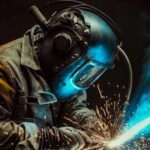
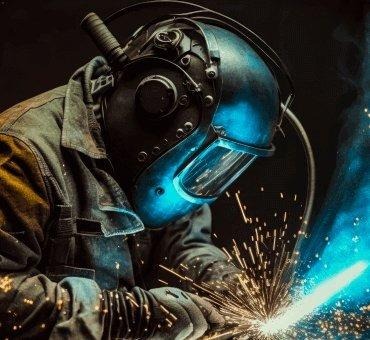
Industrial environments depend on materials that can withstand demanding workloads and changing conditions. Stainless steel continues to be widely used because of its structural reliability and adaptability across applications. Through fabrication, raw metal sheets become finished components designed for exact industrial requirements. The process of stainless steel sheet metal fabrication in West Virginia includes cutting, shaping, welding, forming, and assembling stainless steel into finished products.
Each stage requires attention to detail to meet operational specifications and industry expectations. Fabricated stainless steel products appear across industrial sectors in equipment systems, structural installations, processing units, and protective applications. Their role extends beyond appearance because properly fabricated materials contribute to smoother workflows and consistent production environments.
How Fabrication Supports Industrial Transformation
Industrial transformation does not happen through one major change. It develops through improvements in materials, production systems, and equipment design. Fabrication contributes to this process by helping facilities adapt to operational requirements without replacing entire systems. Custom sheet metal fabrication allows industrial teams to create components that align with project demands.
Instead of relying only on standard configurations, facilities can integrate fabricated parts that suit space limitations and technical needs. This approach supports industries that manage processing environments, heavy-duty operations, and infrastructure improvements. Fabricated stainless steel structures also support consistency across projects where precision matters.
Precision Engineering and Material Performance
Precision plays an important role in industrial fabrication projects. Small variations during manufacturing can affect installation accuracy and overall equipment performance. Because of this, fabrication processes focus on detailed measurements and controlled production methods. Stainless steel remains suitable for many industrial uses due to its ability to maintain structural integrity under demanding conditions.
Fabricators apply specialized techniques to shape and assemble materials while maintaining consistent quality. Project planning often includes evaluating thickness, dimensions, joining methods, and intended operating environments. These decisions influence the final result and ensure fabricated products align with industrial requirements.
The Connection Between Fabrication and Industrial Surface Solutions
Industrial systems often require more than one approach to maintain operational quality. Fabrication frequently works alongside surface technologies and protective applications to support equipment and infrastructure. One example includes Ceramic pipe lining services in West Virginia, which are commonly considered for industrial systems where internal protection and material management remain priorities.
These services can complement fabricated metal components depending on operational requirements and project design. Combining fabrication with specialized industrial solutions allows facilities to develop integrated systems suited to specific environments. The goal is to create functional solutions that align with operational objectives.
Modern Trends Shaping Stainless Steel Fabrication
Industrial fabrication continues to change as project requirements become more advanced. Digital tools, precision equipment, and improved production methods influence how fabricated products are developed. Design planning now supports better coordination between engineering concepts and production outcomes. Advanced fabrication methods allow greater accuracy while maintaining flexibility for customized requirements.
The demand for stainless steel sheet metal fabrication in West Virginia continues to reflect broader industrial changes across manufacturing and infrastructure sectors. Businesses increasingly seek fabrication solutions that align with operational goals and project expectations. Fabrication providers also continue refining production methods to meet changing industry standards while maintaining consistent workmanship.
Choosing Fabrication Solutions for Industrial Projects
Selecting fabrication services requires understanding project objectives and operational requirements. Industrial environments often involve complex systems that require tailored approaches rather than standard production methods. Project evaluation may include reviewing material specifications, production capabilities, fabrication techniques, and integration requirements. These considerations help ensure the final components align with intended applications.
Industrial decision-making also involves examining how fabricated products interact with existing systems. A coordinated approach supports smoother implementation and improved project execution. In projects that involve multiple industrial technologies, coordination between fabrication and additional services becomes increasingly valuable.
Looking Ahead at Industrial Development
Industrial growth continues to depend on practical solutions that support changing operational demands. Fabrication remains connected to this evolution because it transforms raw materials into functional industrial components. The future of stainless steel sheet metal fabrication in West Virginia reflects a continued focus on precision, customization, and reliable industrial applications.
Alongside related industrial solutions such as Ceramic pipe lining services in West Virginia, fabrication supports projects designed to meet modern operational expectations. As industries continue adapting to new requirements, material expertise and fabrication capabilities will remain central to industrial progress.
Partner with Experts for Your Next Industrial Project
Industrial projects require experience, technical understanding, and solutions that fit real operational conditions. Whether your project involves customized metal fabrication or integrated industrial systems, choosing the right partner can support better execution and long-term performance.
Creamictech works with industrial requirements through specialized solutions like stainless steel sheet metal fabrication in West Virginia designed to align with modern operational needs. Connect with the team today to explore fabrication and industrial service options that support your next project. You may get in touch with us at info@ceramictech.com or through (800) 437-1142.
FAQs
What industries commonly use stainless steel sheet metal fabrication?
Industries such as manufacturing, processing, energy, construction, and infrastructure frequently use fabricated stainless steel components. These projects often require customized designs that fit specific operational requirements. Fabrication helps create structures and parts that match technical specifications. The process supports a wide range of industrial applications.
Why is stainless steel widely selected for industrial fabrication?
Stainless steel is often chosen because of its strength, adaptability, and ability to support demanding industrial environments. It can be fabricated into different forms based on project requirements. Many industries value its compatibility with customized production needs. Material selection depends on application goals.
How does fabrication contribute to industrial modernization?
Fabrication supports modernization by allowing facilities to introduce custom-built components into existing systems. This approach helps industries adapt to changing operational requirements. Fabricated products can align with project-specific layouts and technical expectations. Modern fabrication methods also support greater precision.
How do pipe lining services relate to fabrication projects?
Pipe lining solutions and fabrication can work together within industrial environments depending on project goals. Surface protection and structural components may be planned as part of one integrated system. Coordinated planning helps improve installation and compatibility. Industrial projects often combine multiple technical solutions.
What should companies review before selecting fabrication services?
Companies should evaluate project requirements, material specifications, production capabilities, and fabrication methods. Understanding operational goals helps guide decision-making during planning stages. Reviewing technical experience and customization options also supports project alignment. Careful evaluation contributes to more effective implementation.